
In a high-pressure industry like gaming, conversations about mental health often stay behind closed doors. But for Men’s Mental Health Month, Women in Gaming Africa (WiG Africa) and iGaming Business are creating space for them to be heard.
The first in this special two-part series for Men’s Mental Health Month shares the stories of five remarkable men in gaming from across the continent – men who have faced loss, addiction, illness and adversity, and chosen to turn those experiences into strength, empathy and action.
At its heart, this isn’t a story about struggle. It’s about courage. It’s about what happens when men stop pretending they’re invincible and start leading with honesty and heart.
Garron Whitesman: Finding strength through loss
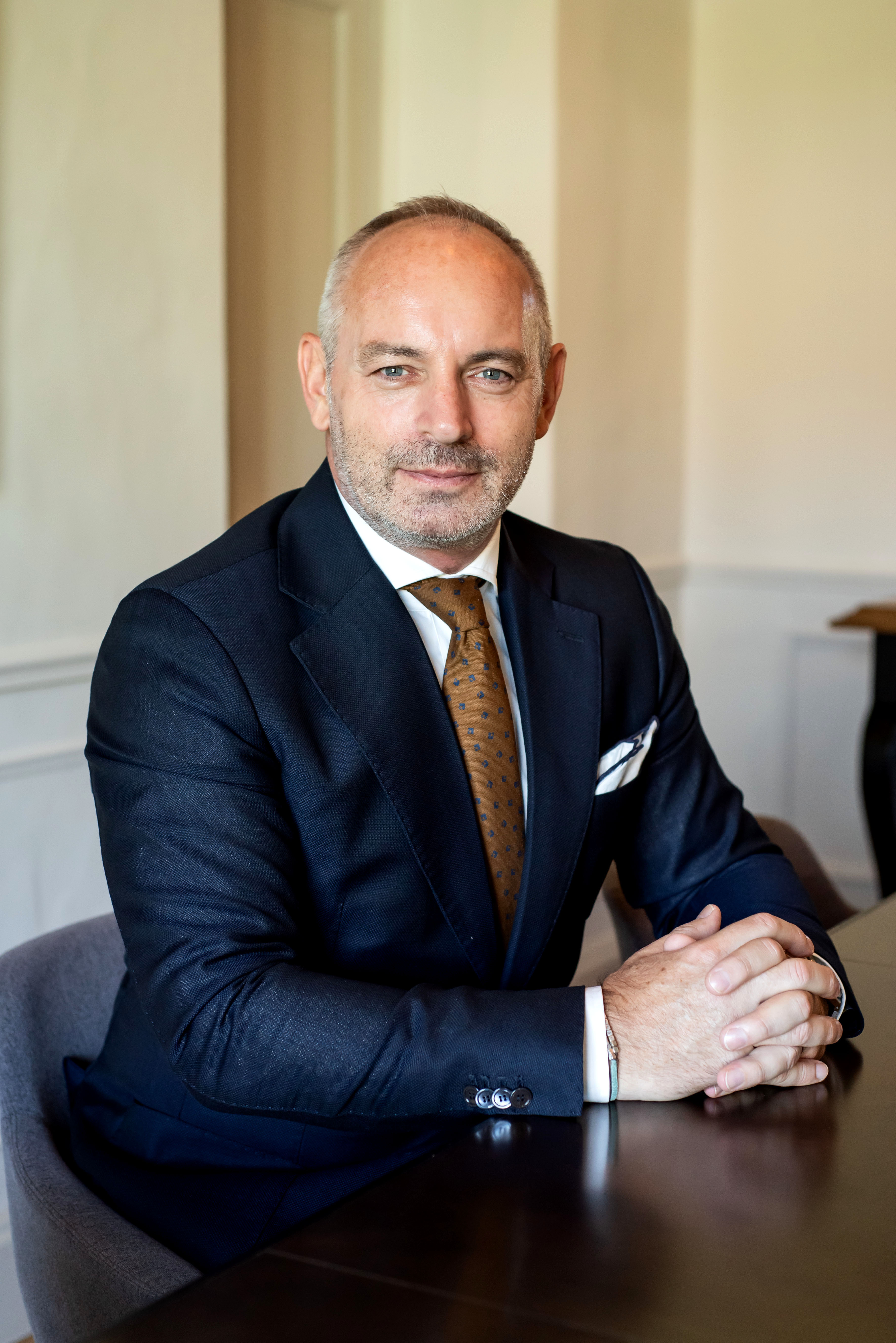
For Garron, losing his daughter Jaime-Rose was the deepest pain imaginable. “I lost part of my soul that will never return,” he says. “But when something this huge happens, your choice is binary – to crawl under a rock or to move forward meaningfully and positively.”
In the aftermath of unimaginable loss, Garron made the decision to keep living with purpose. “The best way to honour my girl is to keep moving forward with a smile on my face,” he shares. “I feel her with me, pushing me forward and telling me to smile and get the hell on with it.”
His honesty about grief has made him both tougher and more compassionate. “I don’t sweat the small stuff anymore,” he says. “It’s made me more resilient, but also more understanding of others’ struggles.”
While he doesn’t see his work as a tribute in itself, Garron’s character, drive, kindness and commitment is deeply shaped by fatherhood and loss. “I’m a far better person for having been blessed to be her dad,” he says. “She taught me courage, and that’s something I carry into everything I do.”
Ladipo Abiose: Turning addiction into advocacy
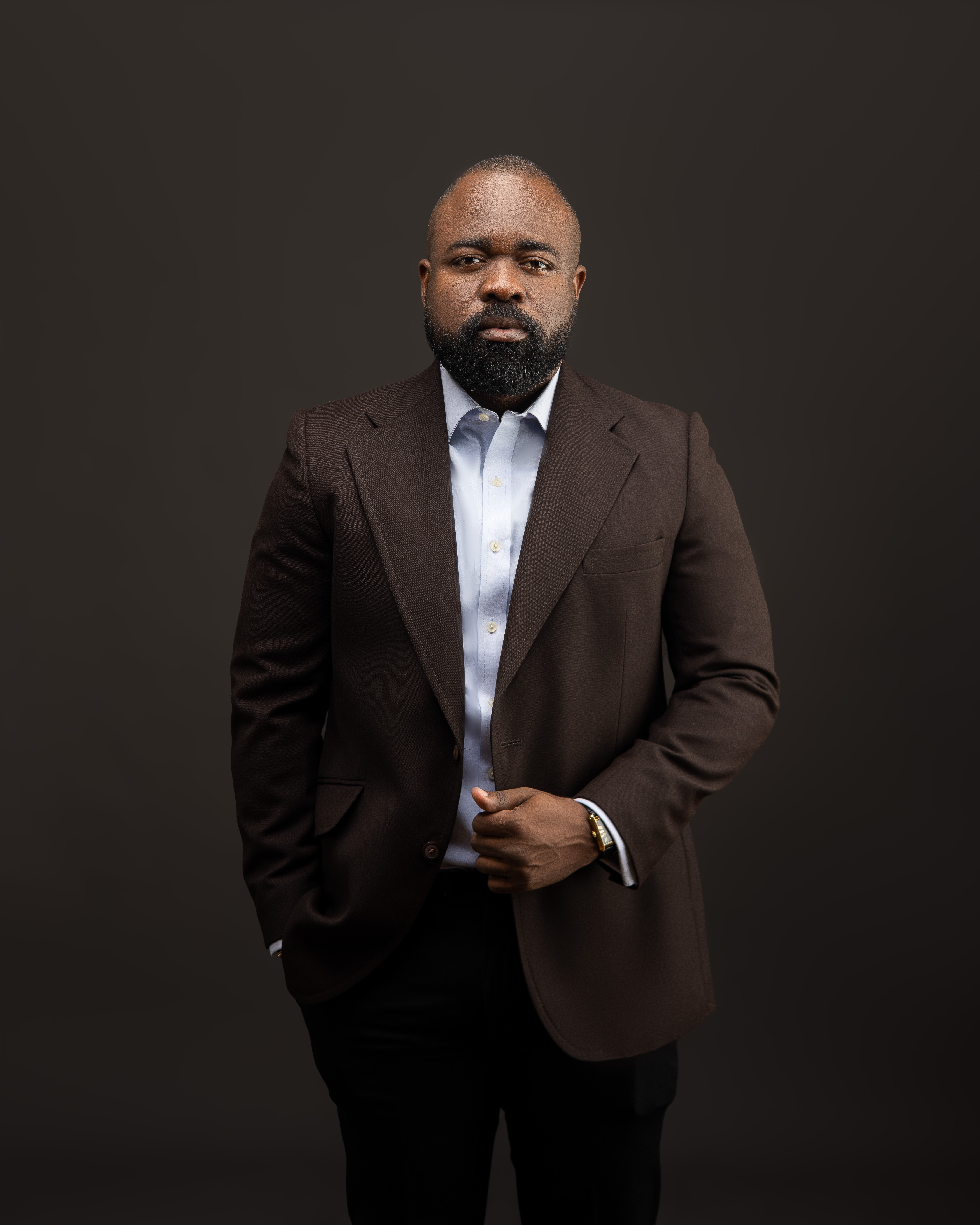
For Ladipo, founder of GamblePause Initiative Africa, the fight was personal. Having overcome a gambling addiction that stripped away his confidence and relationships, he chose to build something new – a platform for recovery, education and awareness.
“Realising how much gambling addiction had taken from me pushed me to transform my pain into purpose,” he says. “Many in Africa still see addiction as a spiritual problem, not a mental health issue. We need compassion and professional help, not shame.”
Through GamblePause, Ladipo and his team have launched Nigeria’s first free rehabilitation clinic for gambling addicts and a series of outreach programs that meet people where they are – schools, communities and online. “Recovery starts with a pause,” he says, “And a belief that you’re not alone.”
Martin Sack: Rebuilding after cancer

When Martin was diagnosed with pancreatic cancer in 2023, everything stopped. “It was the hardest period of my life,” he says. “There were days I couldn’t get out of bed. And when you work for yourself, there’s no safety net. If you’re down, the business goes down with you.”
After months of chemotherapy and surgery, Martin is now cancer-free and changed forever. “It stripped everything back to the essentials: family, health, time. Everything else is secondary.”
He’s honest about how men often struggle to open up. “We’re taught to carry everything alone. Vulnerability doesn’t have to be public – it just needs to be real, with the right people.” What carried him through was community. “A small group in the industry quietly showed up – checking in, helping with work. No fuss, just kindness.”
His message to others? “Don’t wait. Don’t try to handle everything alone. Find your people.”
Lombo Mphande: Changing the conversation before it starts
Lombo’s work through Bet Chats takes him into schools and township communities, teaching young people about gambling and mental health before either becomes a problem.
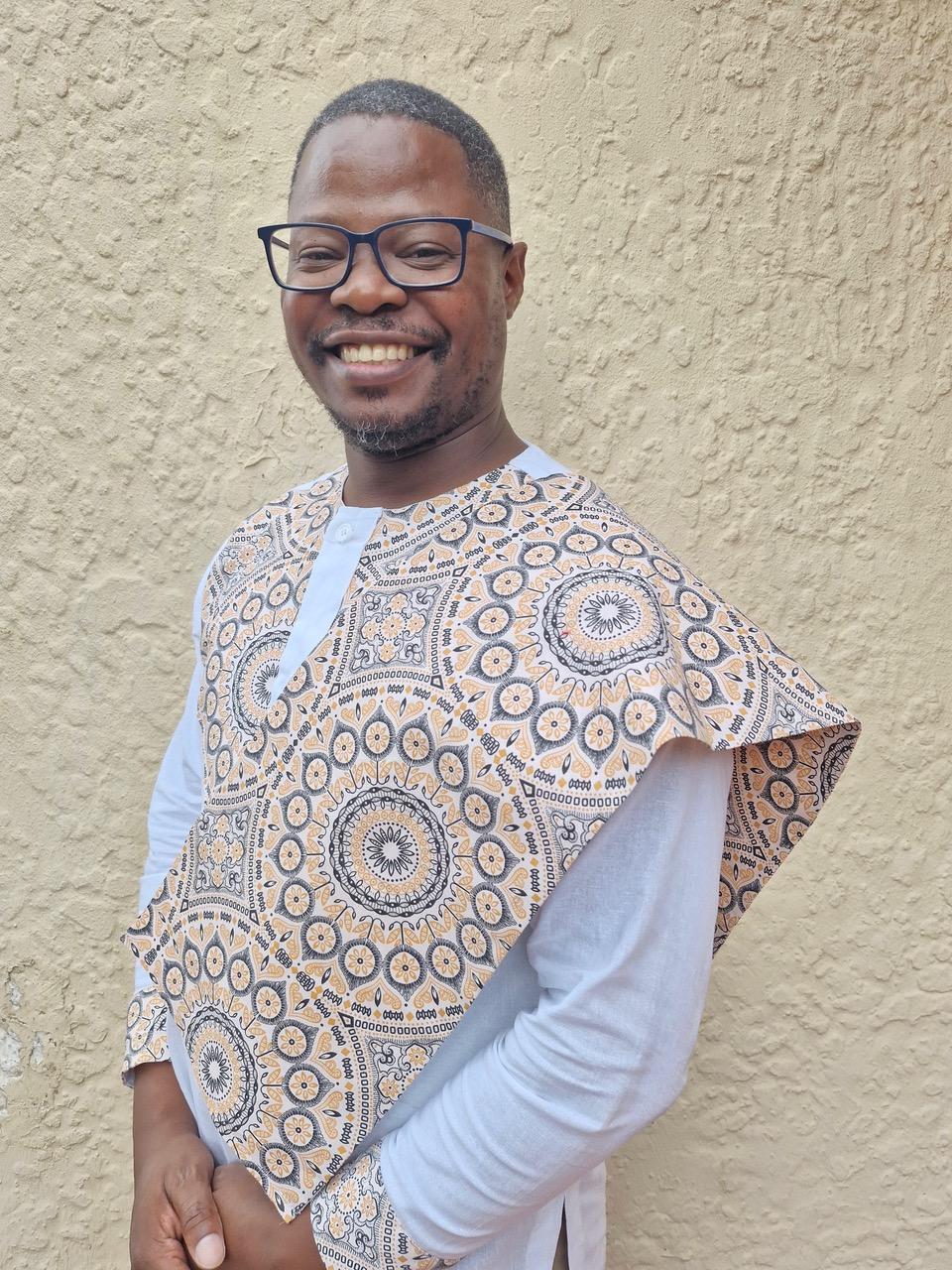
“In South Africa, we have communities where these conversations don’t often happen, but that’s where awareness is needed most,” he explains. “We don’t lecture. We ask questions, tell stories and meet people where they are.”
His approach is rooted in honesty and relatability. “When you speak about mental health without stigma and focus on choice, young people open up,” he says. “We’ve seen students start peer-led conversations and teachers spot early warning signs. Awareness is turning into leadership.”
For Lombo, the goal is prevention through partnership. “Responsibility shouldn’t start at the point of deposit – it should start at the point of awareness,” he says. “If the industry wants to build long-term trust, we must invest in education and community.”
David Moshi: Redefining leadership and emotional intelligence
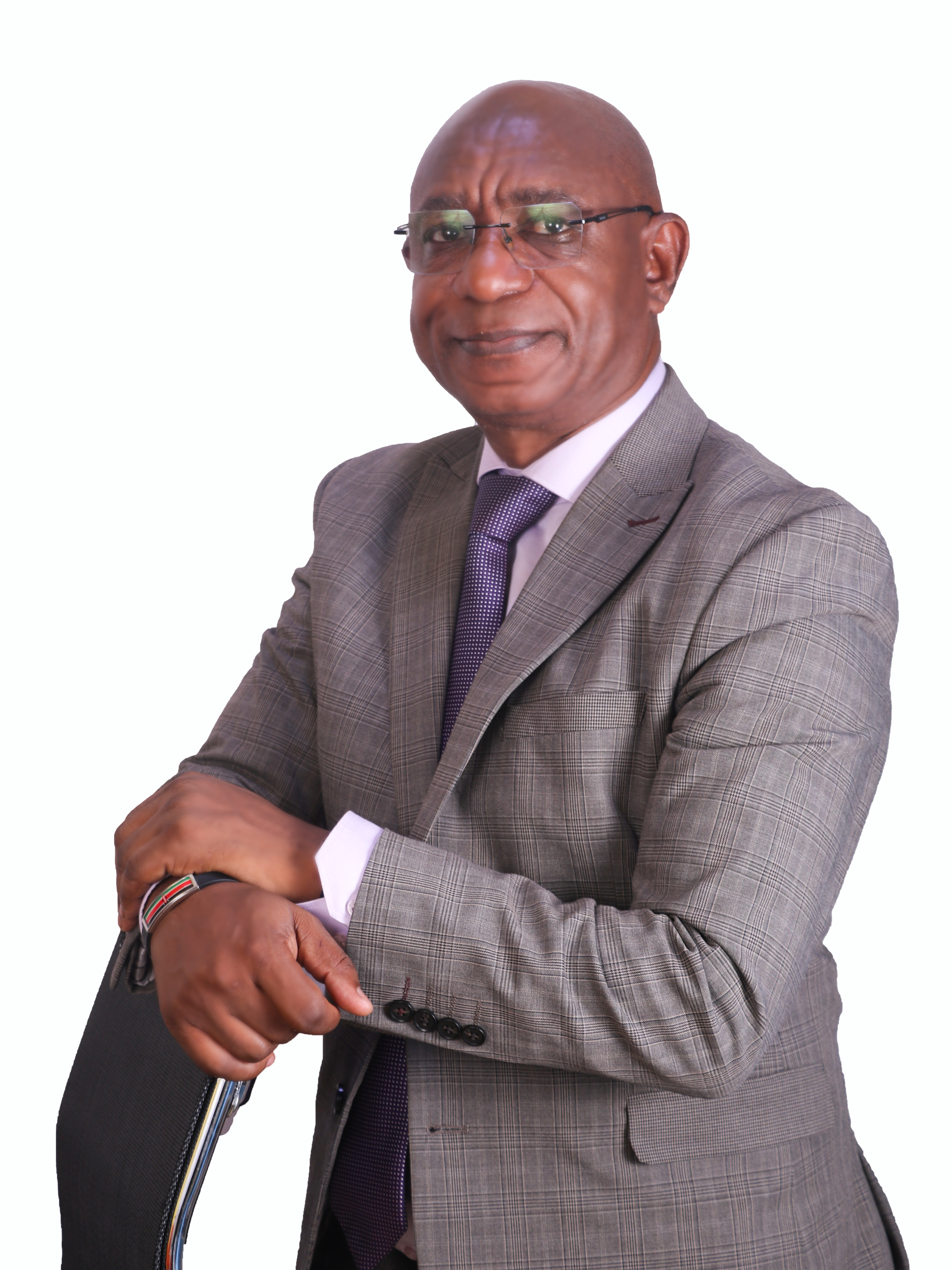
In Kenya’s vibrant gaming scene, David Moshi has become known for something rare – empowering women into leadership and building emotionally intelligent workplaces.
“At Velex Advisory East Africa, our philosophy has always been talent-first,” he says. “Women have proven time and again their ability to lead with excellence and integrity. The key is creating environments where everyone thrives based on ability, not gender.”
David believes that leadership today requires empathy, emotional intelligence and openness to vulnerability. “Men in leadership must create environments where wellbeing is prioritised,” he says. “Emotional awareness is not a weakness – it’s a strength.”
For him, embracing vulnerability has been transformational. “True resilience comes from maintaining focus on solutions, not problems. Seeking support isn’t a sign of weakness – it’s strategy.”
Closing thoughts
Across five deeply personal stories, one message echoes: strength isn’t found in silence, it’s found in connection. From Lombo’s classrooms in South Africa to Ladipo’s recovery clinics in Nigeria, from Martin’s battle with cancer to Garron’s enduring love for his daughter, as well as David’s conscious leadership in Kenya – these men show that courage and compassion can coexist.
As WiG Africa continues to expand its work beyond gender and geography, these voices remind us that mental health is everyone’s issue. This is Part One of our two-part series for Men’s Mental Health Month – stories of reflection, recovery and resilience that show just how powerful it is when men in gaming choose to speak up, step forward and lead differently.
About Women in Gaming Africa
Women in Gaming Africa (WiG Africa) is a non-profit community connecting, elevating and empowering women across the continent’s gaming industry.

Through events, mentorship and advocacy, WiG Africa champions representation, leadership and inclusion while fostering a stronger, more connected African gaming ecosystem. Learn more or get involved at www.womeningamingafrica.org.
In the first of WiG Africa’s two-part series for Men’s Mental Health Month, Lois Bright highlights five stories of reflection, recovery and resilience stemming from men speaking about mental health.