
At the forefront of the sector are the leaders who navigated the choppy waters of 2025. Despite continued challenges across the board, gaming CEOs are seemingly positive about the future and the opportunities in novel products and sustainable growth, as well as further industry consolidation.
Front of mind for shareholders coming into 2026 is how operators can mitigate volatility and maintain a positive trajectory. From our conversations with leading chief executives, it is certain that pressure from investors, regulators and policymakers continues to mount, and 2026 may prove a turning point for many operators seeking further growth.
Vlad Kaltenieks, CEO, Boyle Sports
Are rising gambling tax rates as much of an existential threat as is suggested?
Changes to regulation or the tax environment were both things we factored into our planning pre-budget in the UK. We believe it’s essential that tax policy creates a stable environment that promotes sustainable growth – when combined with robust responsible gambling measures, this foundation enables truly stable, well-regulated markets that serve all stakeholders effectively. Fundamentally, we remain committed to the UK, but it’s vital to maintain a healthy, sustainable ecosystem where firms can grow, innovate and provide robust customer protection.

What are your investors/shareholders most concerned about for 2026?
Shareholders and investors are primarily focused on the ability to compete and innovate in an increasingly unpredictable regulatory and tax environment.
The fundamental challenge is that competitive advantage in 2026 will come from the ability to invest confidently when others hesitate – identifying opportunities where sustainable growth is achievable regardless of the external environment.
Investors want to see management teams who can distinguish between genuine structural opportunities and short-term regulatory arbitrage.
What is the most positive development your business has made in 2025?
We’ve created huge momentum at Boyle Sports. This follows our relaunch in the UK market alongside our fresh brand identity and long-term £100 million investment plan. Over the coming years, this will see more than 200 new stores opened and over 1,000 jobs created. Alongside this, we’re investing in upgraded technology to ensure we deliver a sharper, more seamless experience for customers across both retail and digital channels.
Is the sector ready for regulated crypto casinos?
The goal should be simple: every gambling operator serving customers in regulated markets should meet the same standards for consumer protection, contribute equally to public policy objectives and compete on service quality and innovation – not on regulatory arbitrage.
We need a level playing field, irrespective of the technology used for payments or hosting, protecting consumers, preserving tax revenue for public purposes and ensuring that responsible operators aren’t penalised for doing the right thing.
Pontus Lindwall, CEO, Betsson AB
What is one unspoken threat to the sector?
One of the more under-discussed threats to the industry is the increasing sophistication of unlicensed operators. We’re not just talking about small-scale outfits running websites from obscure jurisdictions anymore. These are increasingly well-funded, tech-savvy entities that often mirror the user experience, branding and even responsible gaming messaging of regulated brands.

They’re able to move quickly, operate across borders with minimal friction and exploit regulatory fragmentation in a way that licensed operators simply cannot. Their ability to target players directly through digital channels, often with aggressive incentives, creates a parallel ecosystem that undermines both regulatory efforts and consumer protection.
What’s your wildcard prediction for 2026?
A major market opens earlier than expected. This could be a large Asian country, or one of the major US states like Texas, Florida or California deciding to move forward with legislation for licensed online gambling. The political and regulatory landscape in these regions is complex, but shifts can happen quickly when momentum builds.
This scenario is unlikely to happen, but it reflects the kind of unpredictability that makes this industry so dynamic. This would certainly reshape the strategic landscape.
What are your investors/shareholders most concerned about for 2026?
First and foremost is the regulatory landscape as they want to know how we’re navigating new rules and taxes. I spend a lot of time explaining how we’ve shifted our business towards locally licensed markets and how that positions us to manage compliance and taxes in a sustainable way.
They’re also concerned about where our next leg of growth comes from. We’ve had a fantastic run – record revenues and profits, new markets launched. Shareholders are looking at our pipeline – emerging markets, potential acquisitions, new products like B2B offerings – and assessing if we can keep the momentum.
Looking ahead to 2026, I think those concerns will evolve rather than disappear. Our shareholders appreciate our focus on sustainable profitability. I believe the main investor question will be how we scale our opportunities while maintaining the returns and resilience we’ve built.
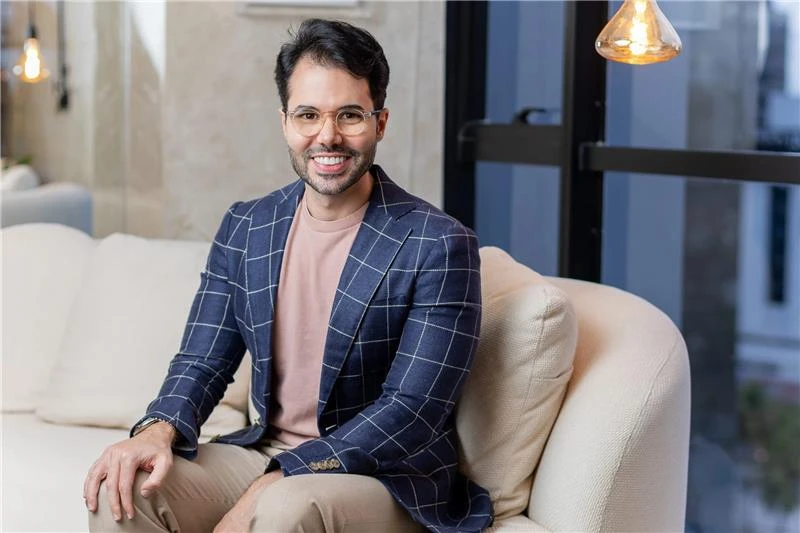
Darwin Filho, CEO, Esportes da Sorte
What’s your wildcard prediction for 2026?
The global betting market is mature, and Brazil is likely to follow. 2026 will be pivotal: the World Cup will bring an unprecedented wave of new bettors, dramatically expanding the acquisition funnel. The true competitive edge will not come from attracting players but from retaining them, from how brands design personalised onboarding experiences and build lasting relationships. It will serve as the ultimate testing ground for player loyalty.
What are your investors/shareholders most concerned about for 2026?
The greatest concern is political, legal and regulatory uncertainty. The betting sector has faced recurring and often disproportionate political scrutiny, which fuels volatility and unpredictable tax environments. Abrupt changes in taxation or advertising rules can completely derail financial planning and harm operational stability. Moreover, constitutional challenges persist, alongside potential restrictions on access to fixed-odds betting for certain groups.
What is the most positive development your business has made in 2025?
Our most meaningful progress has been organisational. We reached a new level of corporate maturity by strengthening technical leadership, developing high-performing professionals, and fostering a proactive, results-oriented culture focused on agile and effective problem-solving. Today, we operate with speed and strategic intelligence – essential qualities for thriving in a market that reinvents itself daily.
What M&A trends will continue or emerge in 2026?
The clearest trend is consolidation among major Brazilian groups. Mergers between local players with strong brands, wide reach and complementary audiences are becoming increasingly rational. The market is moving towards the creation of solid national conglomerates with the financial and operational maturity to compete with international giants.
Aviv Sher, CEO, Codere Online
The trajectory of tightening regulations could strangle the sector out of Europe. Do you see a way out of this?
The way forward is proactive compliance, evidence-based advocacy and showing regulators that responsible gaming tools work. If operators shift from defensive postures to collaborative ones, regulators may become more flexible, particularly around marketing restrictions and taxation models that currently distort competition.

What’s next for product innovation in 2026?
Innovation hasn’t stalled; we’re just seeing more nuanced developments rather than the big bang product launches of 10+ years ago. Naturally, AI is the talking point at the moment, and that could be the key to seeing the next phase of hyper personalisation.
Bespoke markets, dynamic odds, parlay builders and customer-specific promotions could be a huge hit if produced correctly. In-play continues to develop, especially in the increasing convergence of tech, streaming and odds. Behind the scenes, innovation is accelerating.
Are rising gambling taxes as much of a threat as the sector claims?
Taxes absolutely squeeze margins and this can hugely benefit the black market, rather than operators that try to succeed in regulated markets. However, they also raise the barrier to entry. For a company with scale, strong brand recognition and efficient operations, higher taxes can actually create competitive advantages. Weaker operators either exit or become acquisition targets.
What are your investors/shareholders most concerned about for 2026?
Taxation is a big concern given the significant tax increase we are facing in Mexico, from 30% to 50%, but they are also concerned around disruptive dynamics like prediction markets and whether we could see similar things happening in Spain or Mexico.
What is the most positive development your business made in 2025?
I think our most positive step has been our resilience. In our core markets we’ve faced an awful lot of macroeconomic headwinds and regulatory shakeups, but we have continued to meet the guidance we shared with investors in Q1. It was a year of resilience and continuous improvement.
Mattias Wedar, CEO, LeoVegas
What’s your wildcard prediction for 2026?
Following the recently announced tax increase in the UK, we may see creative solutions from operators and studios offering players new and complementary win experiences alongside the base game to help offset the increased tax burden. Continuing the trend of product innovation, formats such as progressive payouts for horse racing, offering fixed odds for finishing positions, could spread to more operators and across additional sports.

What are your investors/shareholders most concerned about for 2026?
Probably the declining channelisation rates, rising taxes, and the negative impact on player protection. The industry may historically also have been too aggressive with marketing, which has frustrated both society and legislators, ultimately leading to tighter restrictions on marketing and incentives. In an industry where much of the differentiation comes from brand and marketing, this may be a concern for some.
What is one unspoken threat to the sector?
I think a lot of people forget that we are in the entertainment business. We’re not only competing with other operators, we’re competing with Netflix, TikTok, Tinder and various popular mobile apps and games.
Staying on top of technology and UX is key because friction doesn’t only come from regulation, taxation or the black market; it can also come from the UX itself, such as sign-up flows, poor KYC processes and other hurdles. The industry needs to improve stickiness, elevate the user experience overall and continue to innovate.
What was the most positive development your business made in 2025?
We have always believed in proprietary tech and in owning our own technical destiny. That is why we are incredibly proud to have begun rolling out our new in-house sportsbook. We acquired Tipico’s US sportsbook earlier in 2024, and we have been laser-focused on migrating it to our own proprietary platform.
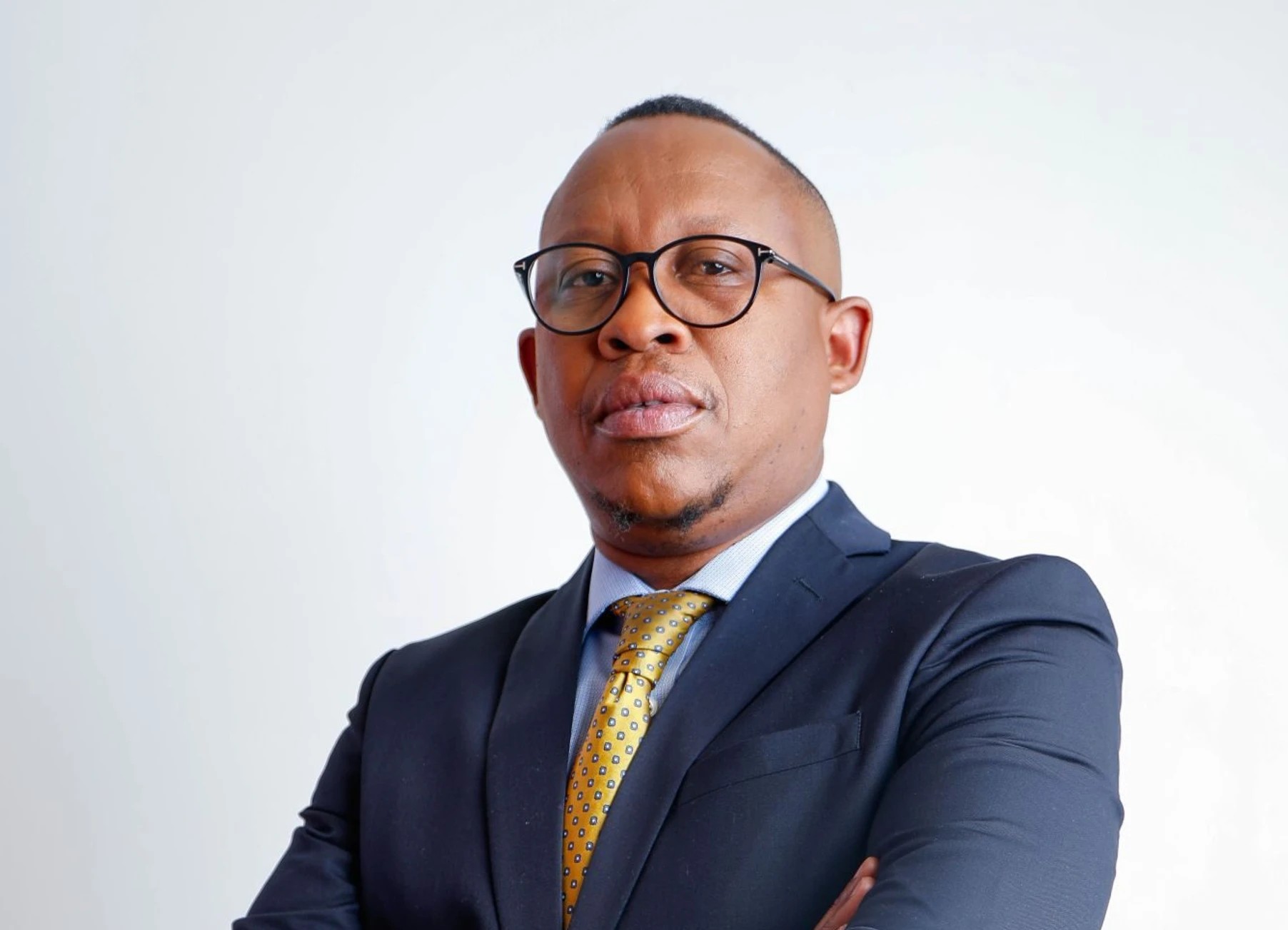
Peter Kesitilwe, CEO, Africa iGaming Alliance
What is one unspoken major threat to the sector?
One of the most underestimated threats is the rise of unregulated fintech rails that facilitate offshore gambling outside traditional financial systems. Stablecoins, offshore wallets, disguised merchant codes and emerging digital-money channels enable gambling flows that regulators cannot easily track, tax or intercept. This trend has the potential to undermine AML frameworks, distort market data and weaken responsible gambling visibility.
What’s your wildcard prediction for 2026?
Africa may see its inaugural multi-country regulatory compact, a coordinated agreement between a small group of regulators to align standards on responsible gambling, payments oversight or data sharing.
Second, esports betting is likely to surpass virtual sports in several major markets, driven by rapid youth adoption, mobile-first entertainment trends and growing local esports ecosystems.
What are your investors/shareholders most concerned about for 2026?
Investors are most concerned about regulatory unpredictability. Sudden tax changes, licensing delays, fragmented regulatory authority and inconsistent enforcement practices are key drivers of operational risk. The good news is that several African jurisdictions are beginning to adopt formal consultation frameworks, conduct regulatory impact assessments and modernise their gambling legislation.
Part one of this 2026 gambling industry predictions series covered compliance and regulatory threats and developments in the coming year, while part two considered M&A trends and deals that will have an impact in 2026.
Chief executives from Boyle Sports, Betsson, Codere Online, Esportes de Sorte, LeoVegas and the Africa iGaming Alliance mull shareholder concerns and wildcard predictions for 2026.